What is a dosha, and why do they ask about it?
It is not a horoscope and not a personality test. It is a way of ordering things that lets the treatment be personalized.
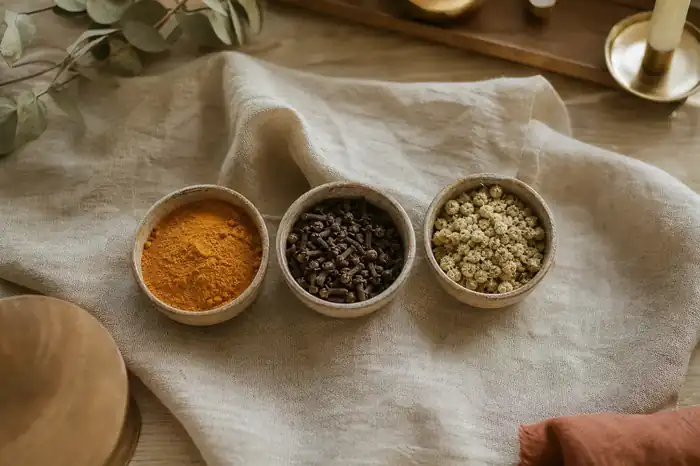
It is almost certain to come up at the first consultation. Ayurveda distinguishes three basic patterns of functioning – these are the doshas: vata, pitta and kapha. To a Western ear this sounds esoteric at first, yet its practical role is quite down to earth.
What is it good for at all?
For making sure the treatment is not the same for everyone. Two people with the same complaint – say a sleep disorder – are not sleeping for completely different reasons. One cannot settle down; the other wakes at two in the morning and tosses and turns. Ayurveda systematized that difference centuries before there was any way of measuring it.
So a dosha is a starting hypothesis: in which direction it is worth moving first with the diet, the daily routine and the treatments.
The three patterns, in brief
- Vata – movement, changeability. Typically quick thinking, irregular eating, a tendency to anxiety, dry skin, cold hands and feet.
- Pitta – transformation, heat. Strong digestion, a good appetite, decisiveness, a tendency to inflammation and irritability.
- Kapha – stability, structure. A calm basic nature, a slower metabolism, good stamina, a tendency to put on weight and to stagnation.
Nobody is “only vata” or “only pitta”. All three are present in everyone, only in different proportions – and the proportion changes with age, with the season and with the way one lives.
And the medical examination?
It does not replace it. At a medical clinic determining the dosha is part of the consultation, but the treatment plan is put together on the basis of the laboratory results and the instrument examinations. The two do not compete with each other: one gives the direction of the approach, the other gives the facts.
If somewhere the dosha test is the only “diagnostics”, that is a warning sign.
What can you do with it at home?
Most of all in the area of eating and the daily routine. Ayurveda recommends different foods and a different rhythm by season and by constitution – and most of this is simple, followable stuff: when to eat something warm, when to go to bed, when to move. At the end of the program you receive a written recommendation about this, and that is what works at home too.
Not sure which program is right for you?
Three questions and we will put together our recommendation. Or fill in the application form – the more we know about you, the more precise an offer we can prepare.
Request an offer Program finder